AWLA PRESIDENT’S SPEECH
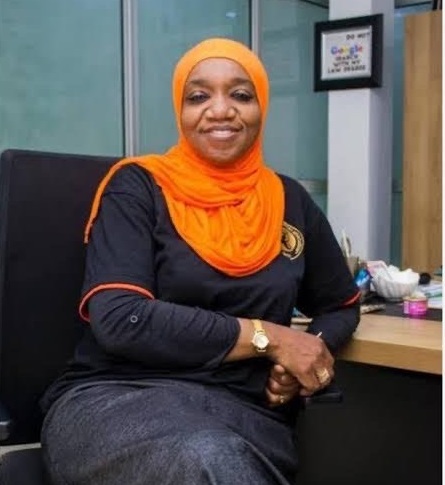
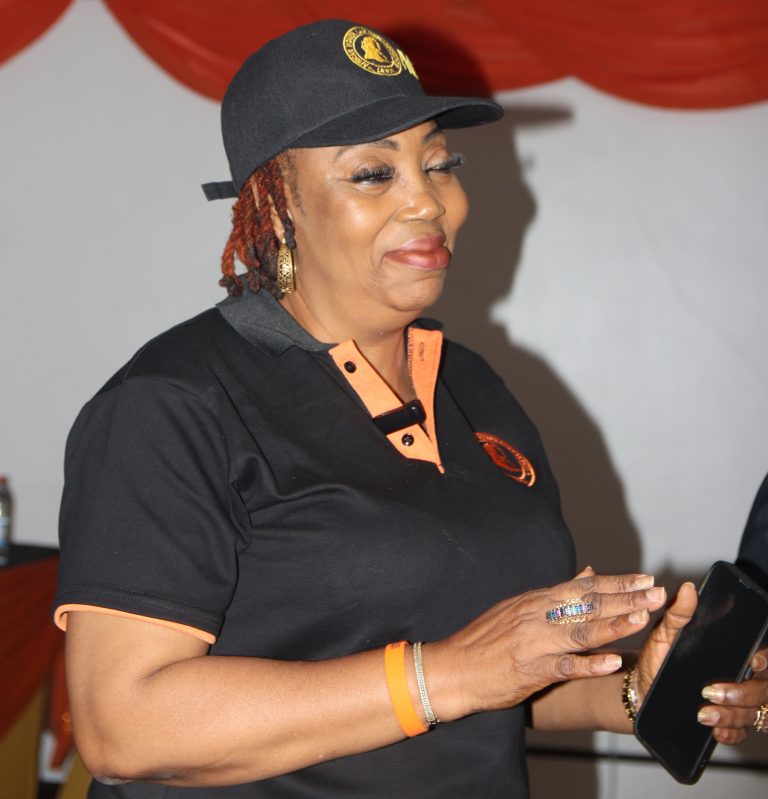
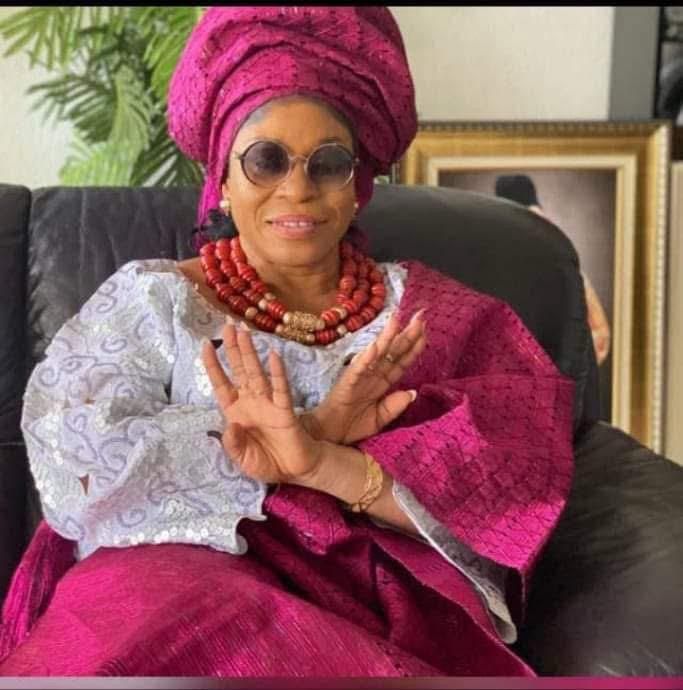
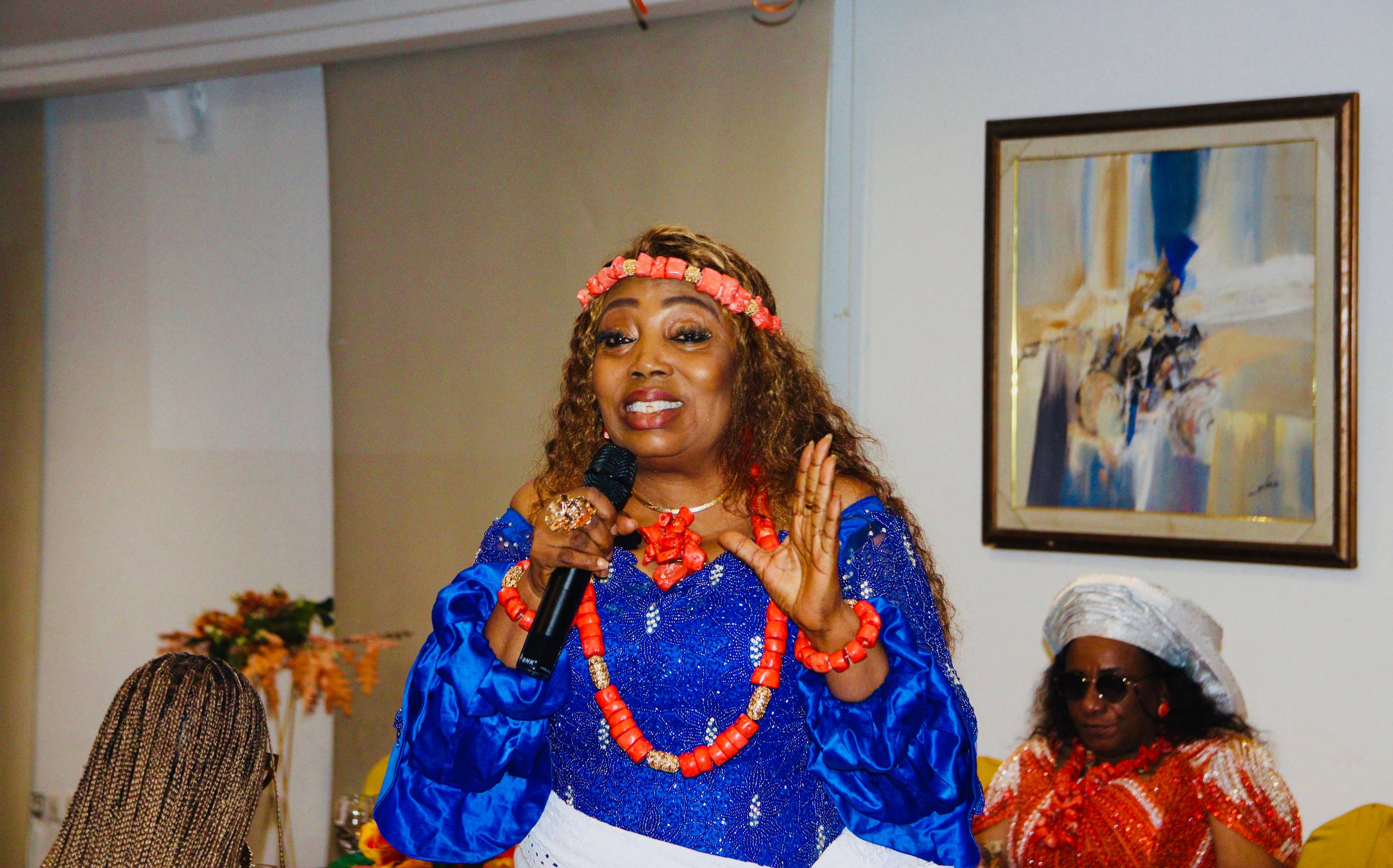
By: Mandy Demechi-Asagba, Esq., President, African Women Lawyers Association – AWLA
Occasion: Day of the African Woman 2026
Theme: “Spotlighting Women Securing Africa’s Water Future: Advancing Sustainable Water and Sanitation for Agenda 2063”
Date: July 31, 2026
Your Excellencies,
Honorable Ministers, Commissioners
Distinguished Justices, Traditional and Religious Leaders,
Leaders of Women’s Movements, Civil Society, and the Private Sector,
My Sisters across the 55 Nations of Africa, and the African diaspora nations,
Members of the Press,
Ladies and Gentlemen,
Happy Day of the African Woman!
Today we do not gather just to celebrate. We gather to spotlight.
To spotlight the woman in Borno fetching water at 5am before her children go to school.
To spotlight the woman farmer in Malawi irrigating crops with her hands during drought.
To spotlight the woman engineer in Nairobi designing boreholes.
To spotlight the woman lawyer in Lagos litigating for a community’s right to clean water.
Because this year’s theme demands it: “Spotlighting Women Securing Africa’s Water Future: Advancing Sustainable Water and Sanitation for Agenda 2063.”
- WHY WATER IS A WOMEN’S ISSUE AND A JUSTICE ISSUE
The African Union has declared 2026 the year to assure sustainable water and sanitation. This is not an accident.
Across Africa, 70% of water collection is done by women and girls. In Sub-Saharan Africa, women spend 40 billion hours a year collecting water. That is time not spent in school, in court, in boardrooms, or in parliament.
But water scarcity is no longer just about distance. It is about climate, conflict, and law.
When drought hits the Sahel, women lose farms.
When floods displace communities in East Africa, women lose homes and dignity.
When corporations pollute rivers in the Niger Delta, women lose health and livelihoods.
When there are no toilets in schools, girls drop out.
Water is life. And whoever controls water controls power.
That is why AWLA says, “If we are to secure Africa’s water future, we must secure women’s legal and political voices today.”
- THE LAW: WHERE WE STAND AND WHERE WE MUST GO
Agenda 2063 calls for “an Africa where all citizens have access to clean water.” The AU Water Vision 2025 and SDG 6 demand safe water and sanitation for all.
But law on paper is not water in the tap.
Across our continent we have 3 gaps:
- Participation Gap: Women are less than 20% of water governance boards in many countries. Yet we are the primary users and managers.
- Protection Gap: Climate displacement, water-related violence, and sanitation insecurity disproportionately affect women and girls. Our laws are slow to recognize “water rights” as human rights.
- Accountability Gap: Who do you sue when your community’s only borehole is sold to a private company? When a factory poisons your river?
This is where lawyers, judges, and women’s organizations must step in.
In Nigeria, we have used the African Charter on Human and Peoples’ Rights and the Constitution to litigate environmental and water rights. In Kenya, the Mitu-Bell Welfare Society v. Attorney General case affirmed the right to water as part of the right to housing and dignity. In South Africa, Mazibuko v. City of Johannesburg began the conversation on a minimum core for water.
AWLA’s role is to scale this. To turn one judgment into a continent-wide standard.
- WOMEN ARE ALREADY SECURING THE WATER FUTURE
Let us stop talking about women only as victims of water scarcity. Let us talk about women as architects of water security.
- In Ethiopia, women-led cooperatives are managing community watersheds.
- In Senegal, women are leading rainwater harvesting in schools.
- In Ghana, market women are funding sanitation toilets.
- In DRC, women peacebuilders are negotiating water access in conflict zones.
They are doing this without capital, without title deeds, and often without legal recognition.
Imagine what they could do with the law on their side.
- AWLA’S CALL TO ACTION: 4 COMMITMENTS FOR 2026-2030
Today, on the Day of the African Woman, AWLA makes 4 commitments in line with Agenda 2063:
- LEGISLATE WITH WOMEN:
We call on the AU and all Member States to ensure that every national water policy and climate law has mandatory 50% women’s representation on water boards and basin authorities. Nothing about our water without us.
- LITIGATE FOR WATER JUSTICE:
AWLA will launch a Pan-African Water Justice Legal Clinic to provide pro bono support to women and communities whose right to water and sanitation is violated. We will train 500 women lawyers as “Water Rights Advocates” by 2027.
- FINANCE WOMEN’S WATER SOLUTIONS:
We call on governments, the African Development Bank, and the private sector to direct 30% of water and sanitation funding to women-led enterprises and cooperatives. Micro-credit for boreholes, sanitation businesses, and irrigation.
- EDUCATE FOR THE NEXT GENERATION:
We will partner with schools and universities to teach girls water law, climate law, and WASH rights. Because the girl who knows her right to a toilet in school will become the woman who drafts the water law in parliament.
CONCLUSION: THE WATER IS IN OUR HANDS
My sisters, the African Union gave us this theme for a reason.
Water is the test of whether Agenda 2063 is real or rhetoric.
- If women secure water, we secure food.
- If women secure sanitation, we secure girls’ education.
- If women secure rivers and rainfall, we secure peace.
- If women secure the law, we secure the future.
The Day of the African Woman is not a day of speeches. It is a day of deeds.
So, I ask you today:
To the Legislator: Pass the water laws with women at the table.
To the Judge: Interpret the right to water as a right to dignity.
To the CEO: Invest in women who deliver water solutions.
To the mother: Teach your daughter that her voice matters in community decisions.
To my fellow lawyers: pick up a case. One community. One river. One right.
Because when we secure women, we secure Africa’s water. And when we secure Africa’s water, we secure Africa.
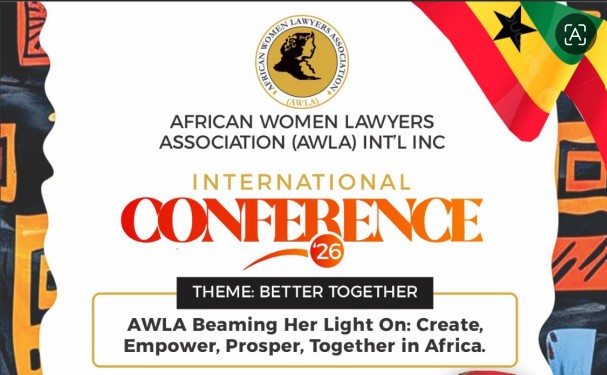
Better Together. Create. Empower. Prosper.
With Economic Power. With Political Voice. And now, with water justice.
Happy Day of the African Woman.
Let us go and secure our future.
Thank you.
FOOTNOTES
- UN Women, _Water and Women Report_ (2023)
- UNDP, _Human Development Report_ (2006)
- AU, _Agenda 2063: The Africa We Want_, Aspiration 1
- AU, _African Water Vision 2025_
- UN SDG 6: Clean Water and Sanitation
- African Charter on Human and Peoples’ Rights, Art 16 & 24
- Constitution of the Federal Republic of Nigeria 1999, s 33 & 34
- (2014) eKLR
- (2009) ZACC 28